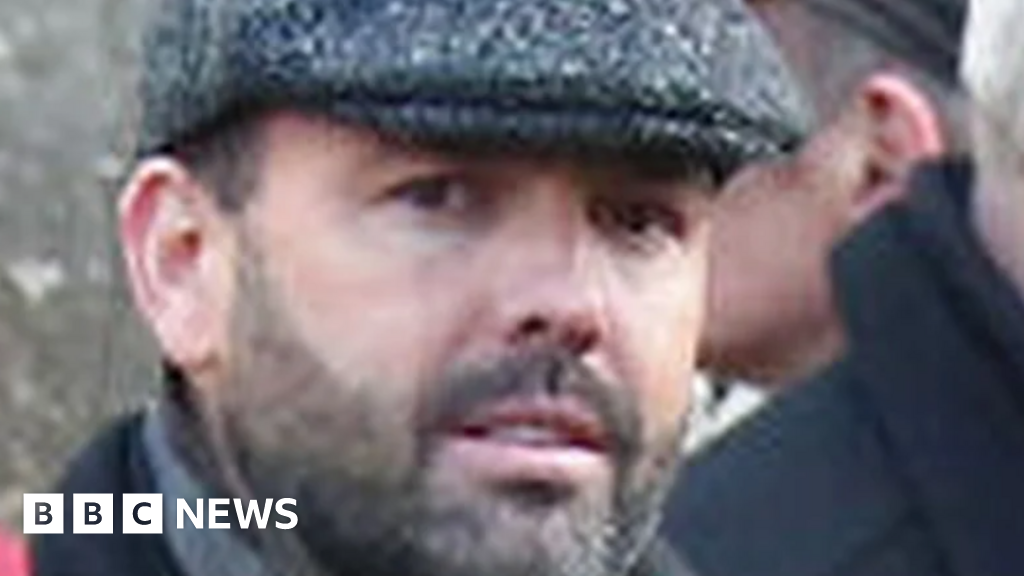
Ishmael Jaffree, the Alabama parent who successfully challenged school-led prayer in a landmark Supreme Court case, has died at the age of 80 in Mobile, Alabama, on 10 April 2026, leaving behind a legacy that has shaped the debate on the separation of church and state in the United States.
The case, which was decided in 1985, centred on Jaffree's objection to his children being exposed to prayer and Bible readings in their classrooms, which he argued was a violation of the establishment clause of the First Amendment. The Supreme Court ultimately ruled in his favour, determining that school-led prayer was unconstitutional and marking a significant milestone in the push for a strict separation of church and state. The ruling has had far-reaching implications, influencing the way in which religion is approached in public schools across the United States. Jaffree's determination to challenge the status quo and fight for his children's rights has been hailed as a courageous stand against the encroachment of religion into public life.
The significance of Jaffree's case extends beyond the individual circumstances, speaking to a broader debate about the role of religion in public life and the importance of upholding the principles of the First Amendment. The separation of church and state is a fundamental tenet of American democracy, and Jaffree's case has played a crucial role in shaping the boundaries of this separation. The ruling has been cited in numerous subsequent cases, solidifying the notion that public schools must remain neutral on matters of faith. This has helped to ensure that students of all backgrounds and beliefs are able to receive an education free from coercion or indoctrination. The case has also highlighted the importance of individual citizens being willing to challenge unjust practices and fight for their rights, even in the face of overwhelming opposition.
The reaction to Jaffree's death has been marked by an outpouring of tributes from civil liberties groups and individuals who have been inspired by his courage and conviction. His legacy serves as a reminder of the importance of continued vigilance in defending the principles of the First Amendment and the need for ongoing efforts to ensure that the separation of church and state is upheld. As the United States continues to grapple with issues of religious freedom and the role of faith in public life, Jaffree's case will remain a powerful symbol of the importance of protecting individual rights and promoting a more just and equitable society. The implications of his case will continue to be felt for generations to come, shaping the way in which Americans think about the relationship between church and state and the importance of preserving the wall of separation that has been a cornerstone of American democracy.